
Supreme Court Affirms Post-Sale Context in Trade Mark Cases
Published: 22 July 2026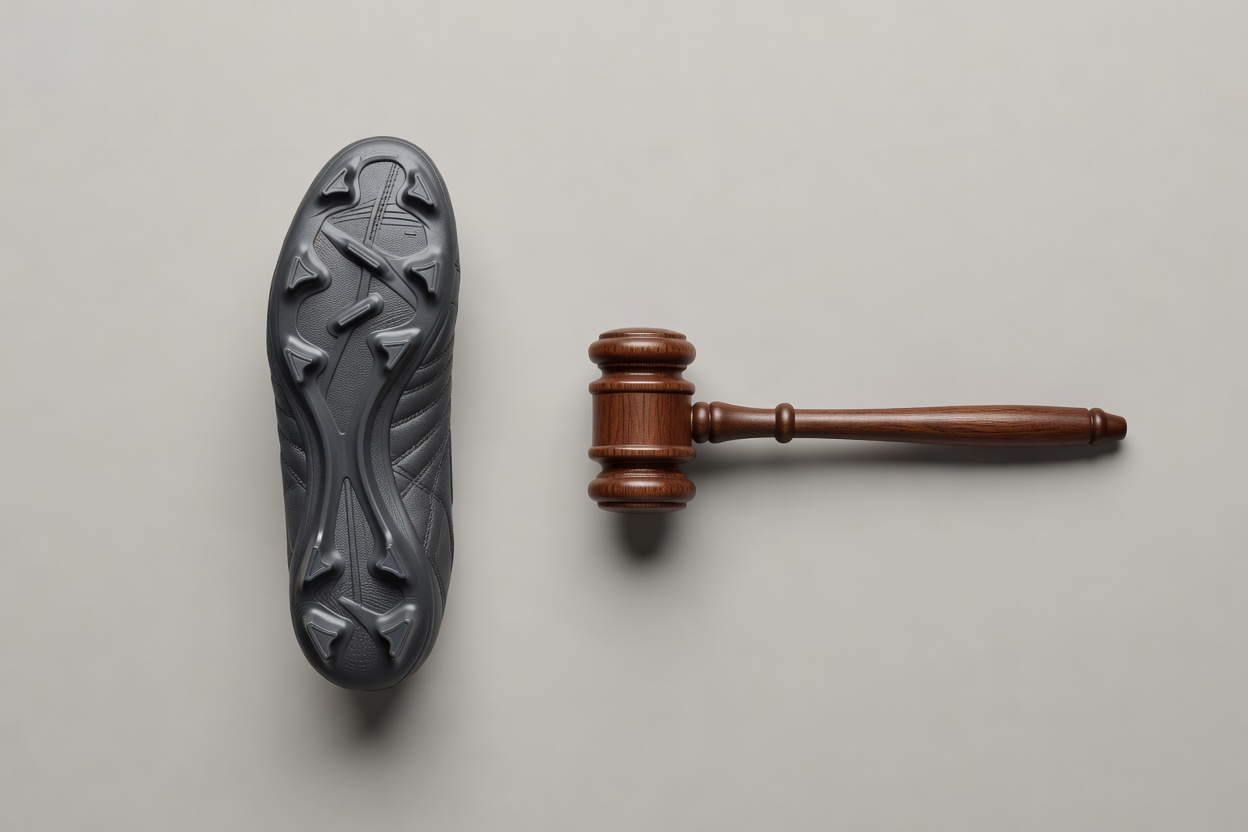
The UK Supreme Court has delivered an important ruling on assessing similarity and confusion in trade mark infringement claims. Iconix Luxembourg, owner of the Umbro sportswear brand, sued Dream Pairs over footwear bearing a “DP” sign alleged to infringe Umbro’s double-diamond logos used on football boots. The High Court found only very low similarity and no likelihood of confusion. The Court of Appeal overturned that decision after considering how the marks appeared when viewed from different angles on the boots after purchase. The Supreme Court allowed Dream Pairs’ appeal, confirming that post-sale context can properly inform the global assessment of similarity under the Trade Marks Act 1994. It stressed, however, that appeal courts should not substitute their own factual findings unless the first-instance judge erred in law or principle. The judgment underscores that registered marks continue to indicate origin even after the point of sale.
Small-business owners should evaluate how their branding appears from multiple angles in real-world use before launching products.
Small-business owners should evaluate how their branding appears from multiple angles in real-world use before launching products.
Sources: supremecourt.uk · jonesday.com
Summarised in our own words from public sources.